
A Glimmering Start: Why Jewelry Casting Matters
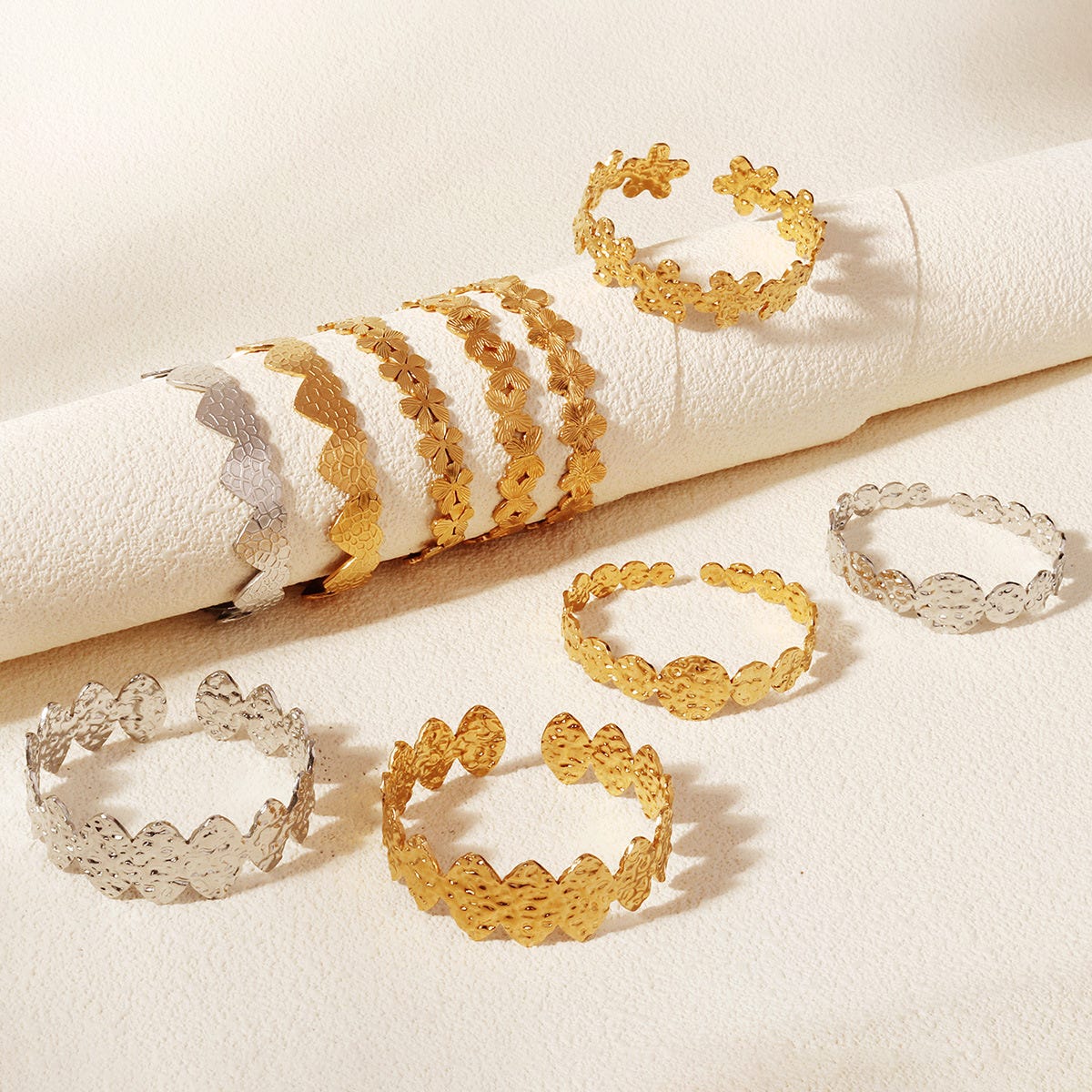
Is it possible to imagine a world without the timeless beauty captured in gleaming silver pieces? Jewelry casting is the art that breathes life into precious metals, forming them into the intricate designs we cherish. It all begins with sterling silver castings, like those at sterling silver castings, which are pivotal in the creation process. Picture this: A dazzling silver ring catches the sunlight, a treasure molded by skillful hands. Yet, behind the scenes in this ancient craft, questions abound. Can traditional methods continue to meet modern demands? Let’s dive deeper.
Issues with Traditional Casting Methods
Look, it’s simpler than you think. The challenges with sterling silver castings (‘sterling’ signifies 92.5% pure silver) lie in the conventional techniques themselves. Traditional sand casting often causes imperfections — porosity and rough surfaces — that require extensive polishing. This can lead to increased labor costs and inconsistent quality. Additionally, traditional methods sometimes fail to capture the complexity of modern designs, limiting creative expression. With terms like power converters and die blocks at the forefront, the question becomes: Can these age-old practices evolve?
How Do Modern Methods Compare?
The utilization of vacuum casting and advanced technology like edge computing nodes is transforming the industry. These innovations introduce a new precision to the craft, minimizing human error and maximizing detail. However, as we embrace these modern solutions, the need for skilled artisans remains; automated processes are tools, not replacements. So, what’s the future of sterling silver castings?

Shifting the Jewelry Casting Paradigm
Let’s consider the principles behind new casting methodologies. The application of 3D printing in mold-making, a cutting-edge advancement, allows for unprecedented intricacy in design and reduces waste. Imagine the impact this could have, reducing both environmental footprint and production costs. How about the — but wait for it — digital modeling tools that provide real-time feedback? Industries utilizing these technologies not only enhance product quality but also customize effortlessly, meeting the growing demand for unique pieces. As we look forward, what innovations will further bridge the gap between tradition and technology in sterling silver castings?
What’s Next for Jewelry Casting?
Evaluating the lessons learned, it’s clear the jewelry industry thrives at the intersection of art and innovation. Traditional methods have paved the way, yet automation and new technologies are setting the pace. As a result, artisans skilled in both creative design and tech applications will be highly sought after. Are you considering ways to choose an optimal casting solution? Here’s what to reflect on: consider production precision, technological integration, and sustainability as key metrics. The artistry of jewelry casting, as demonstrated by brands like Star Harvest, embodies an evolving craft — one where heritage and modernity are harmoniously aligned. It’s a wondrous arena where the past and future coalesce in silver clasped hands.